Leica CL
In the past I referred to the Leica CL as the “photographers second camera”. It was not until recently while using the camera that I got to thinking about that statement. What makes this APS-C camera a second option? When in all honesty it should be the first one you reach for when wanting to capture that perfect fleeting or candid moment.
The reason that I say this is because unlike the M10-P the CL is a camera that is so simple to use I would classify it as a point and shoot, albeit a high-quality, German-made point and shoot. In saying that, this is not an auto-pilot camera, it is still one that gives you the creative freedom, respect and sheer joy of use that any Leica provides.
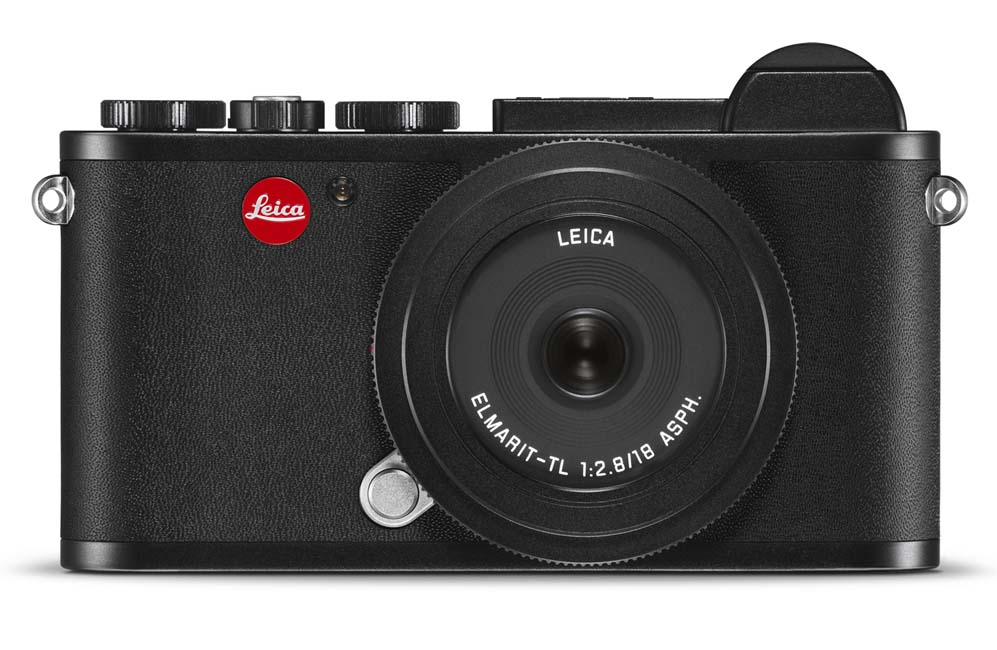
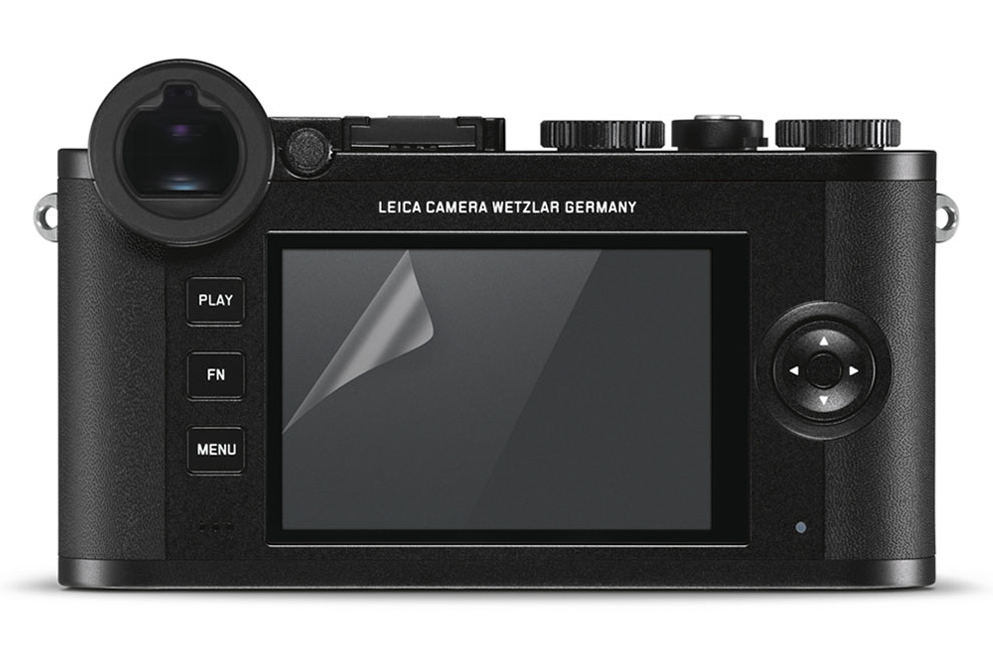
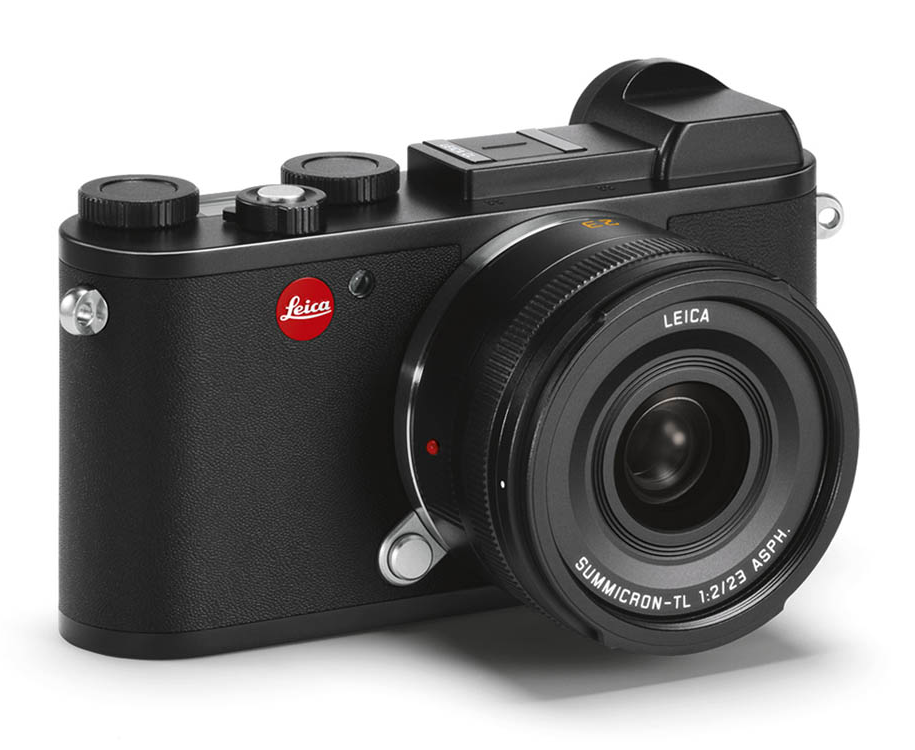
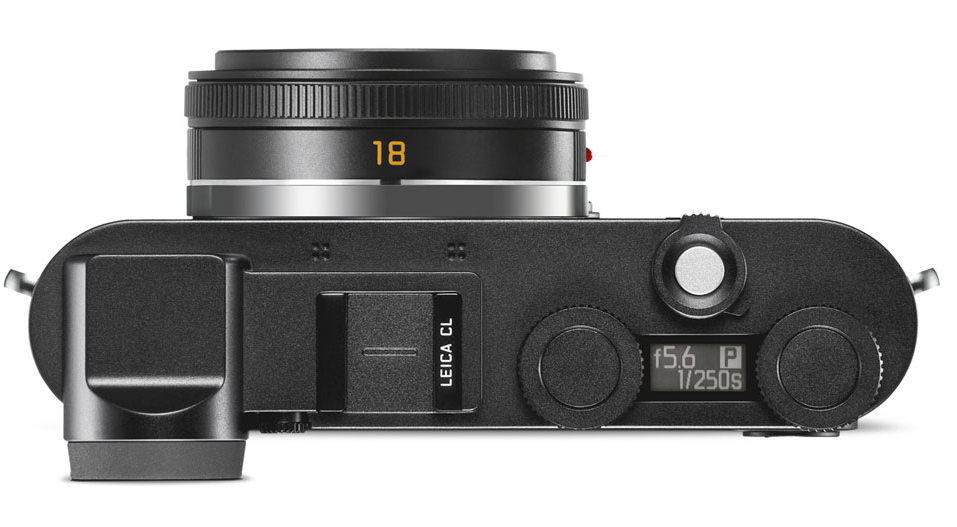
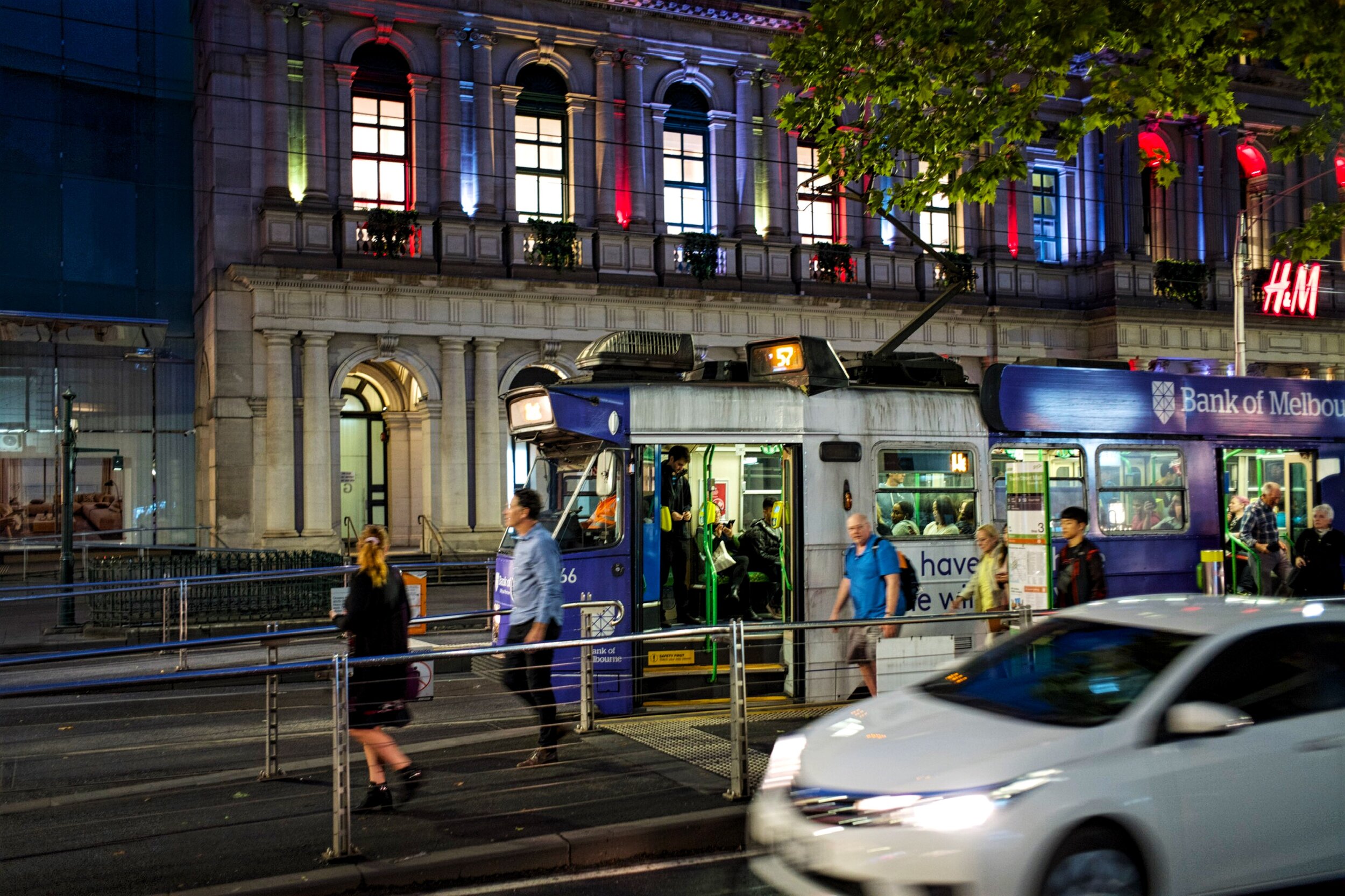
What really comes to life with this camera are the colours it captures. Especially when shooting on the vivid profile setting. Paired with the Summilux-TL 35mm F1.4 lens, you get as close to cropped sensor photographic perfection as possible. The maximum aperture (F1.4) works exceptionally well in difficult low-light conditions. I used the CL in Melbourne after all, difficult light conditions are as synonymous with this city as good coffee, rattling trams and inconsistent weather.

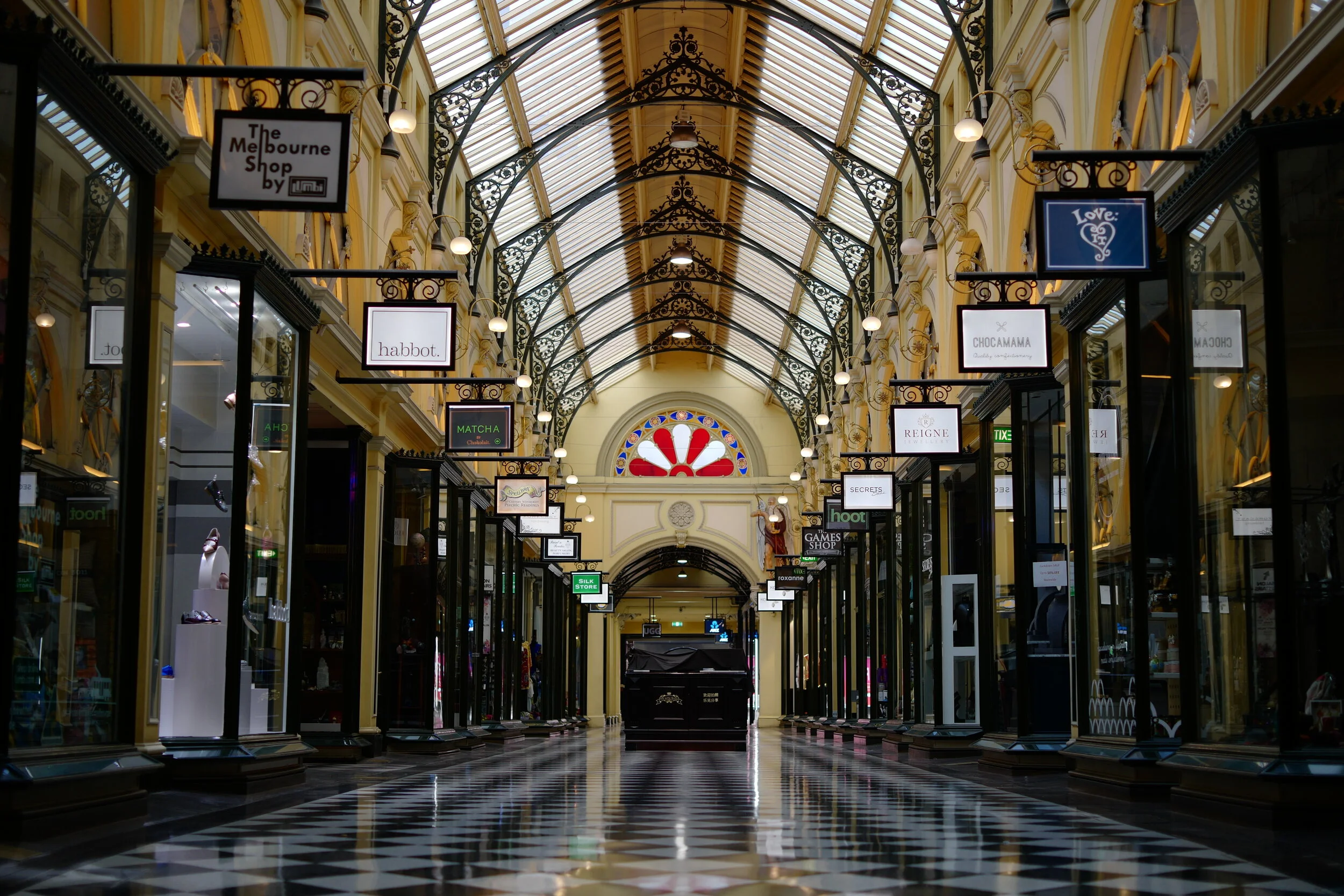
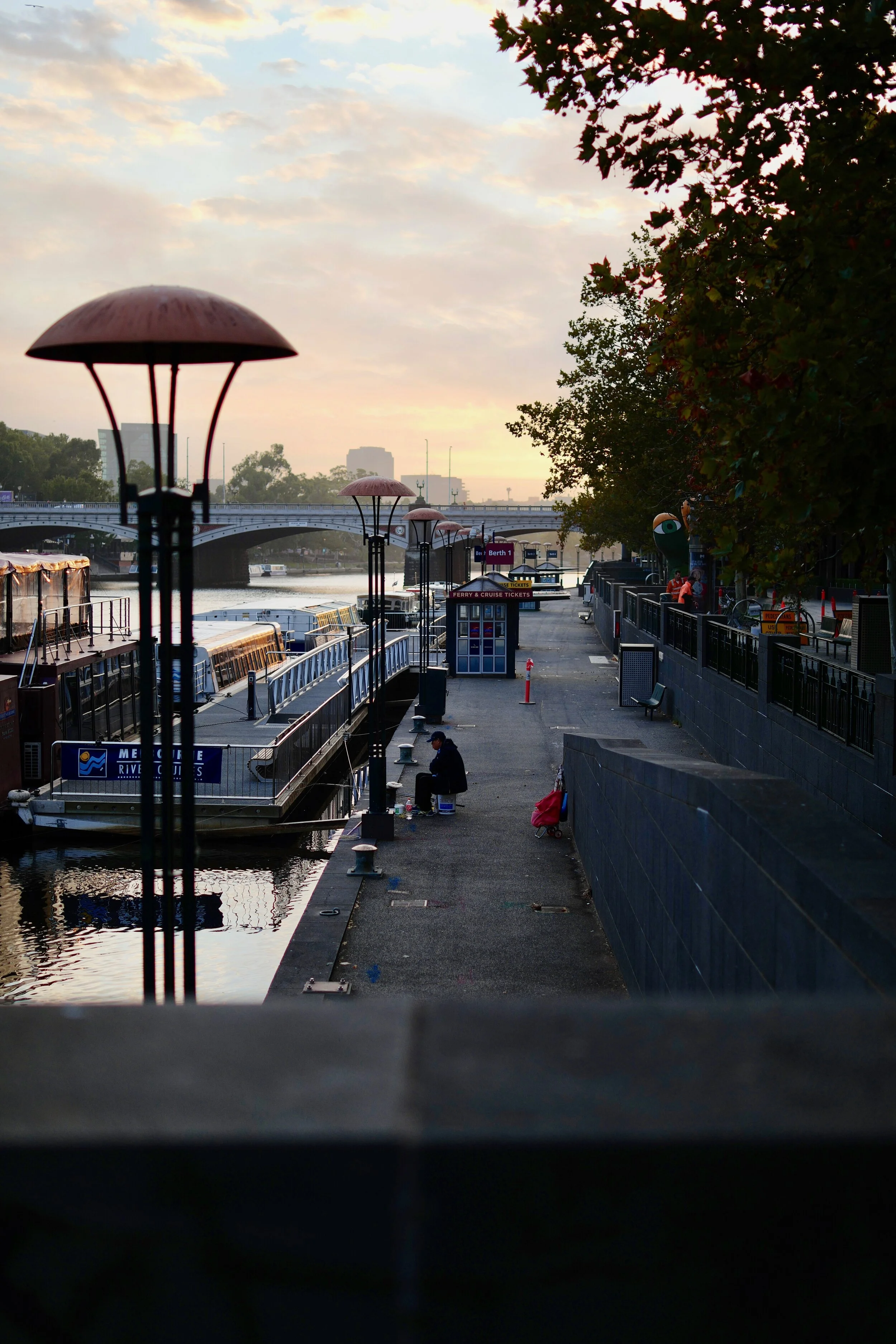

The Summilux-TL 35mm F1.4 deserves as much credit as the camera itself. With an incredible control over depth of field, the focussing in varied conditions will never be an issue. Twelve, that’s right, twelve elements in eight groups of optical design incorporate four aspherical elements to control chromatic and spherical aberrations, and distortions. What does this all mean? You get increased clarity and sharpness of the subjects and colours being captured, a necessity for photography in general, especially street photography.
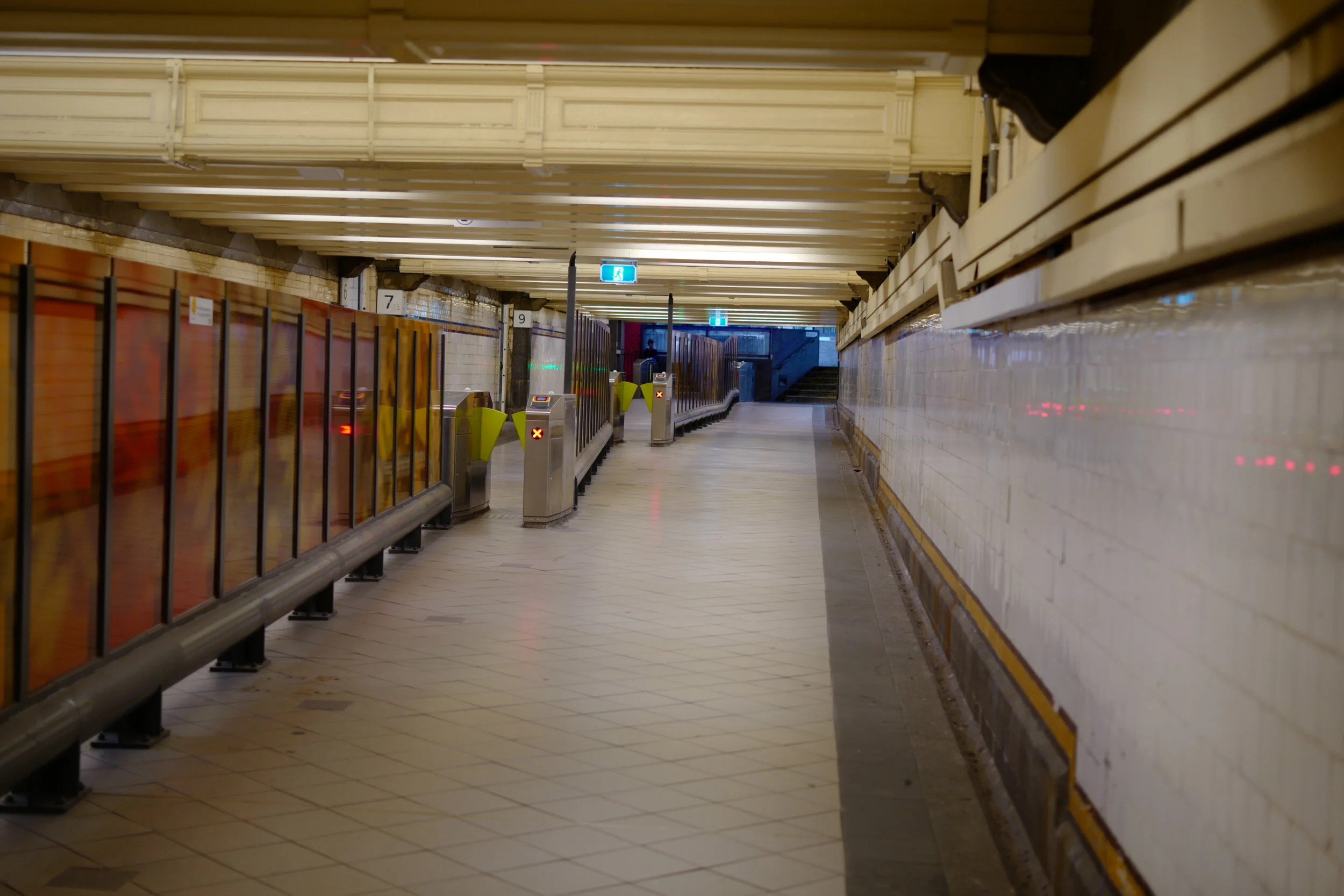
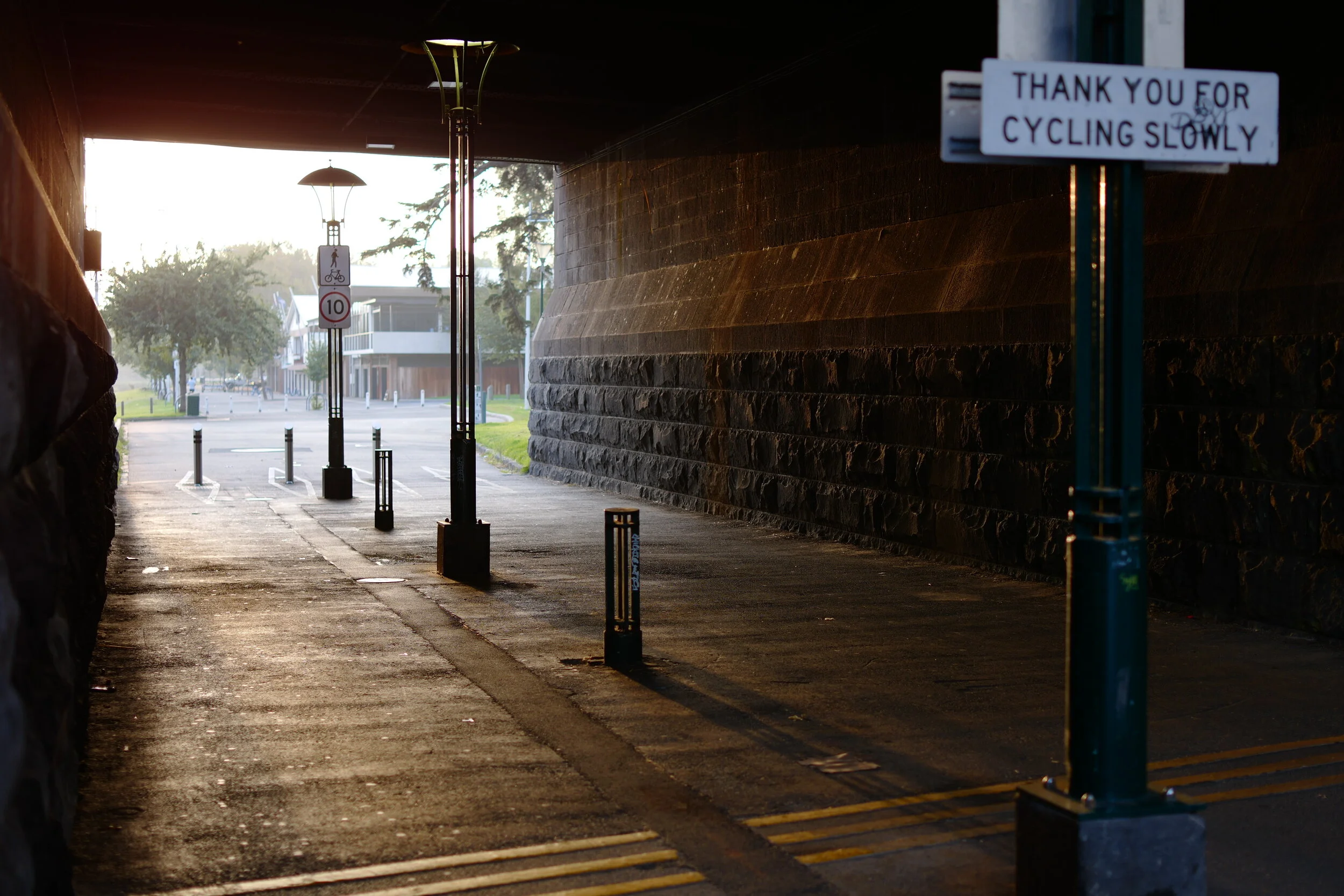

I did experience some drawbacks though. Given the 24 mega-pixel cropped sensor the detail is not quite there all of the time. In saying that, I am comparing it to the full-frame M10-P 24 mega-pixel and Q2 40 mega-pixel which is like comparing apples to oranges. I also found the auto-focus to be a bit indecisive. It wasn’t really focussing on the subjects that I wanted it to, but that is as much my fault as the cameras sensor. I regularly switched to manual-peak focussing and never had an issue. Other than that, I cannot fault the camera.
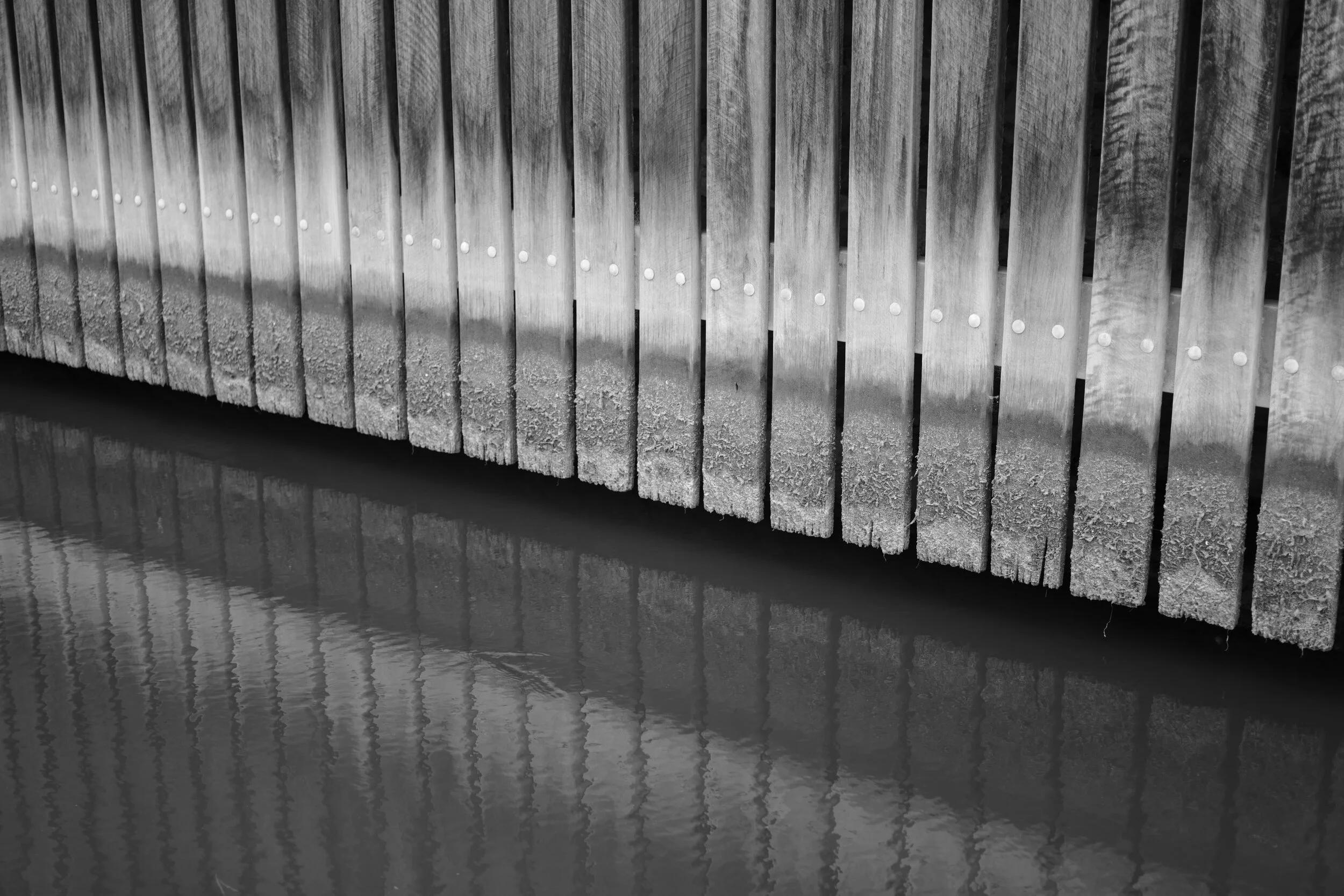
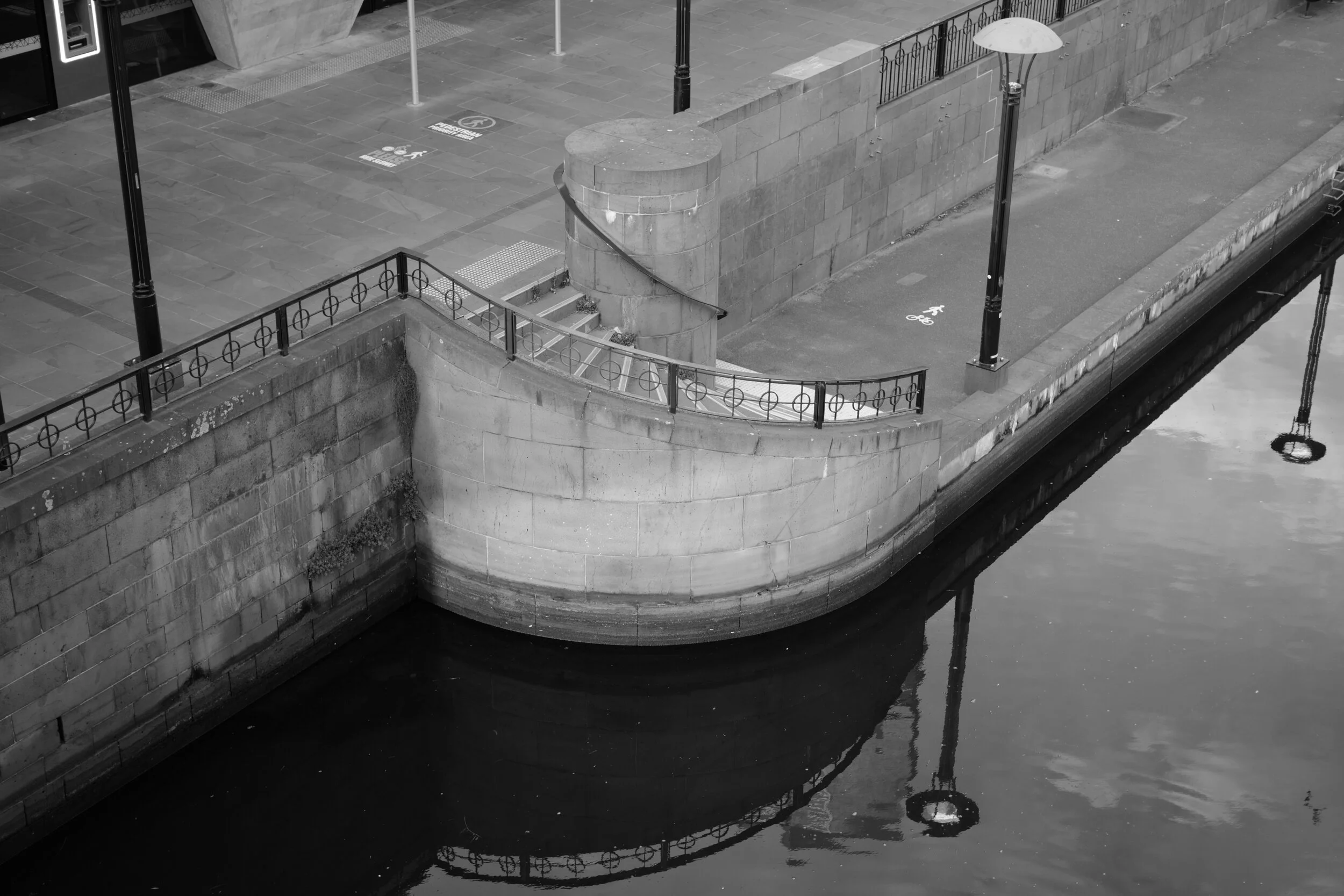
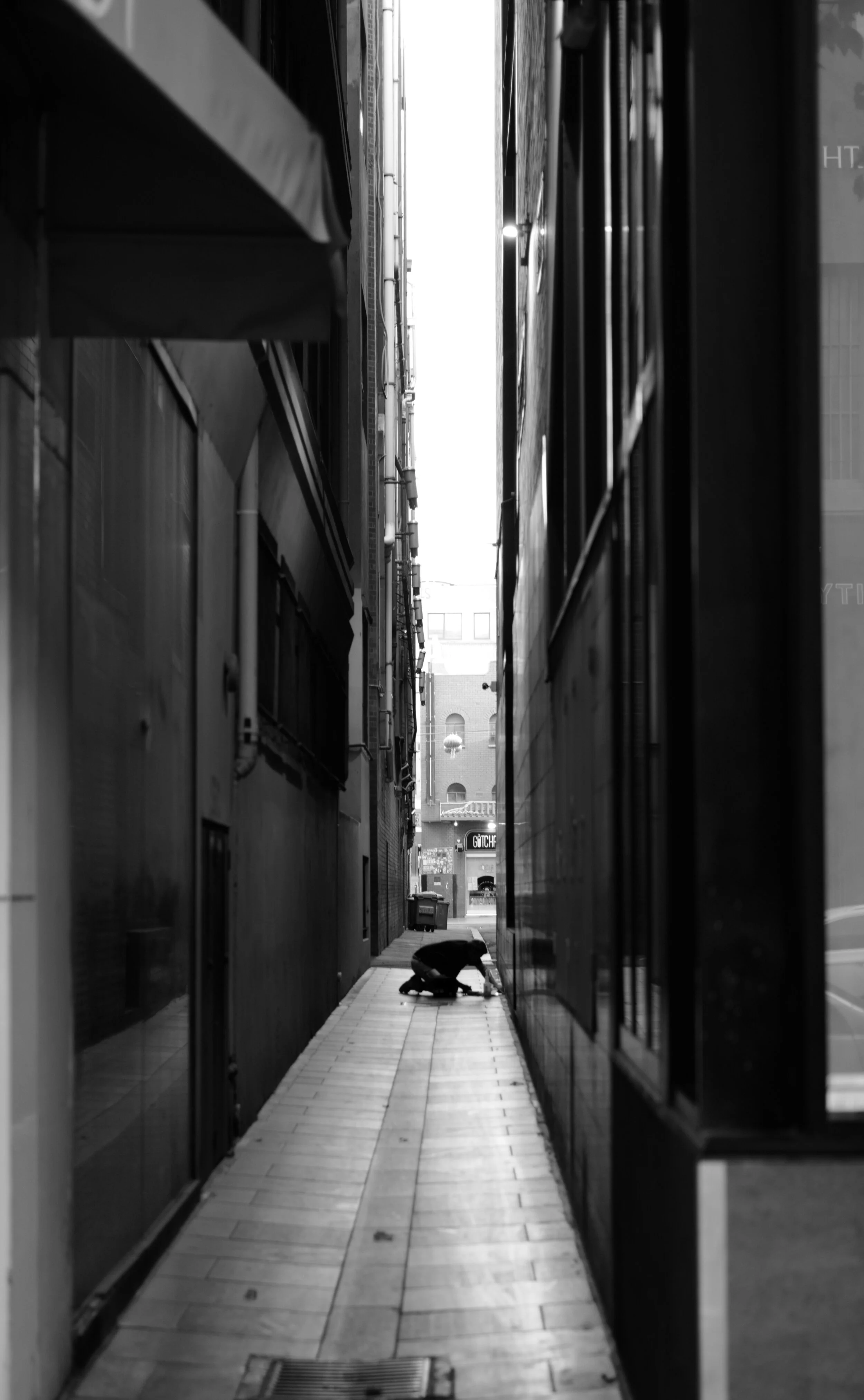
I loved the feel of it. It is as sleek as a lizard and as light as a cool climate pinot noir. The camera fits comfortably in your hand and the shutter has a beautifully crisp click. The two dials on the top of the camera came in handy when I needed to quickly change shutter speed and aperture while shooting. These dials can be fully customised to suit your needs. This camera really becomes uniquely yours. It can be as simple as you want it to be or as difficult as you want it to be, you become the author of your photographic future.
Leica M10-P
The word I am about to use to describe the Leica M10-P is one that I have tried to avoid using for most of my personal and professional life. I find the word over-used and quite frankly lacking in originality. It is a buzzword that lazy writers/journalists use because they think it will give the topic some sort of reverence. Nevertheless, the Leica M10-P in my opinion is iconic.
The Oxford Dictionary states that iconic is defined as; “being a famous person or thing that people admire and see as a symbol of a particular idea, way of life”. A while the camera is certainly not a person it is a symbol of a particular idea or way of life. This camera is the shiny red sports car you take out on weekends. It is the type of photographical equipment that requires attention to detail.
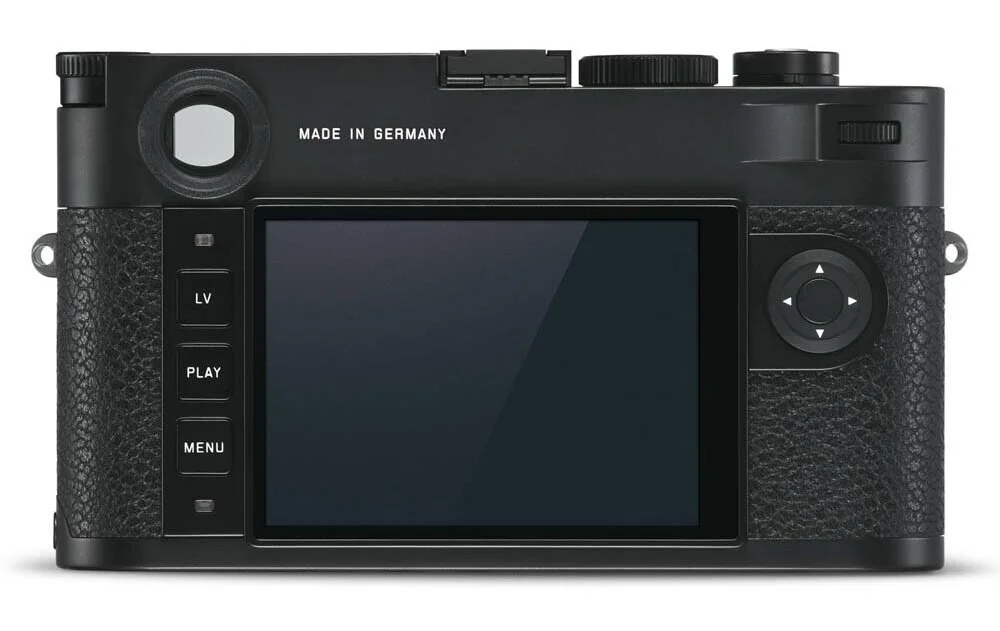
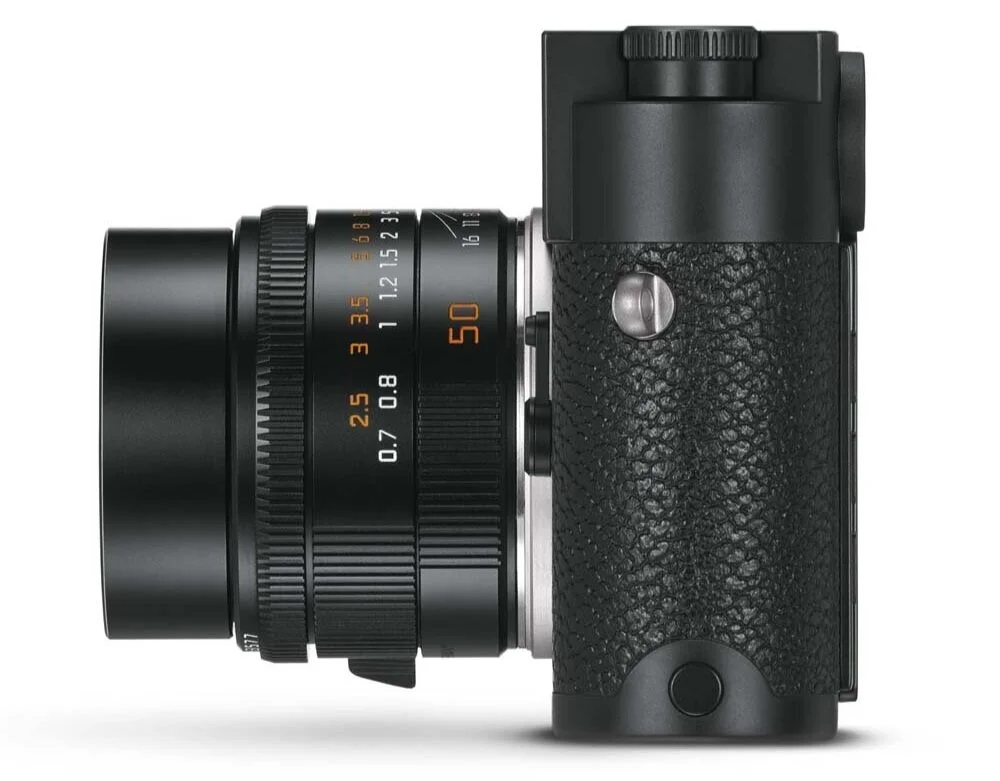
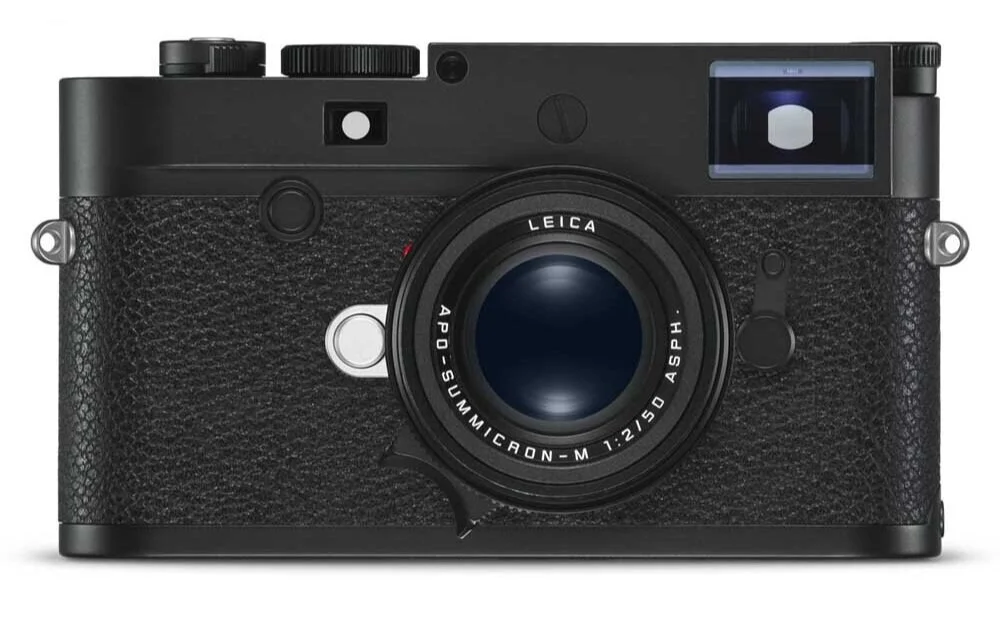
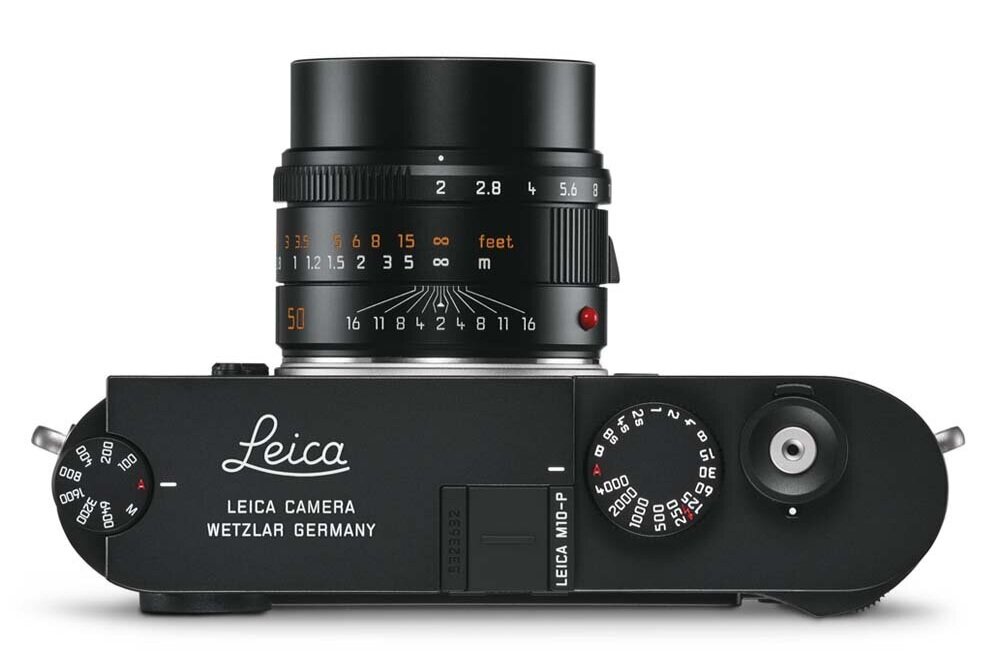
Being the age that I am I have had the privilege, and some would say the disadvantage of living in a world of automatics. I have never had to rely on my own eye and skill to determine whether a photo is indeed in focus. All I have had to do is lightly tap the shutter button and the camera, seemingly, did the rest. This is not the case with the M10.
It changes the way you view the world around you. You need to be attentive and aware of your surroundings when using this camera. This homage to the past and a respect for the skill of users, knowing full well that you do not have to change to meet the needs of the masses to be considered iconic.
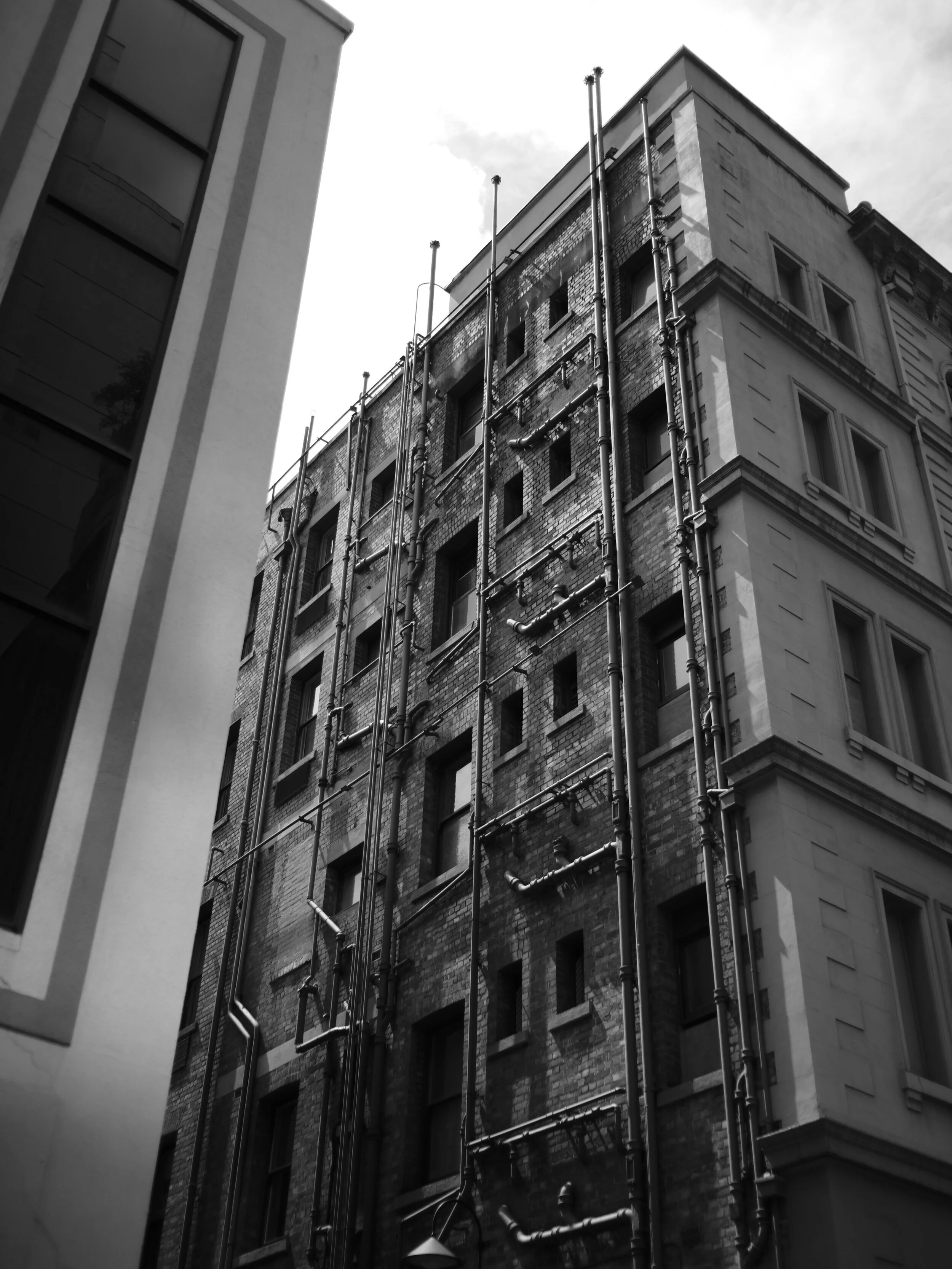
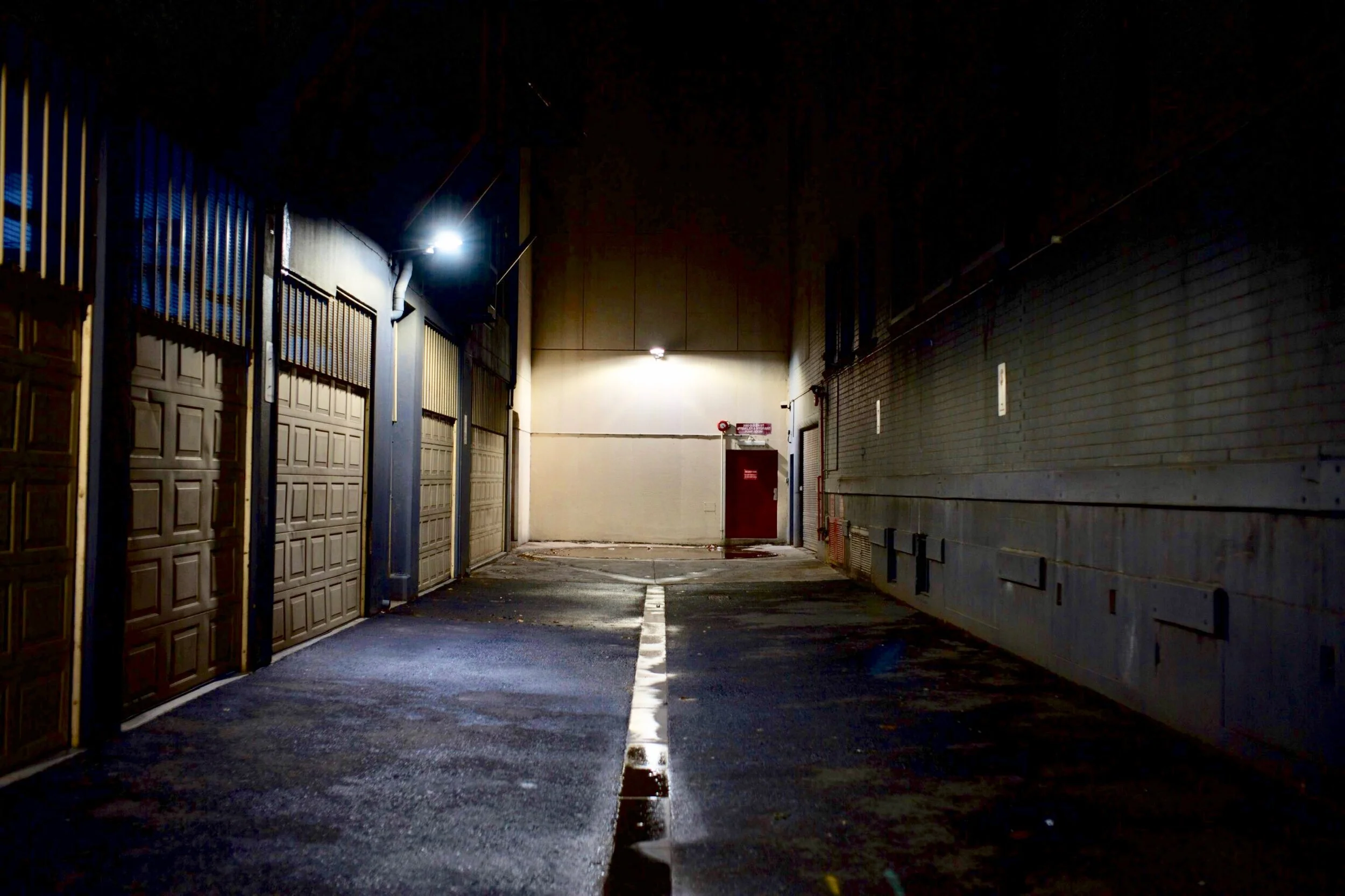
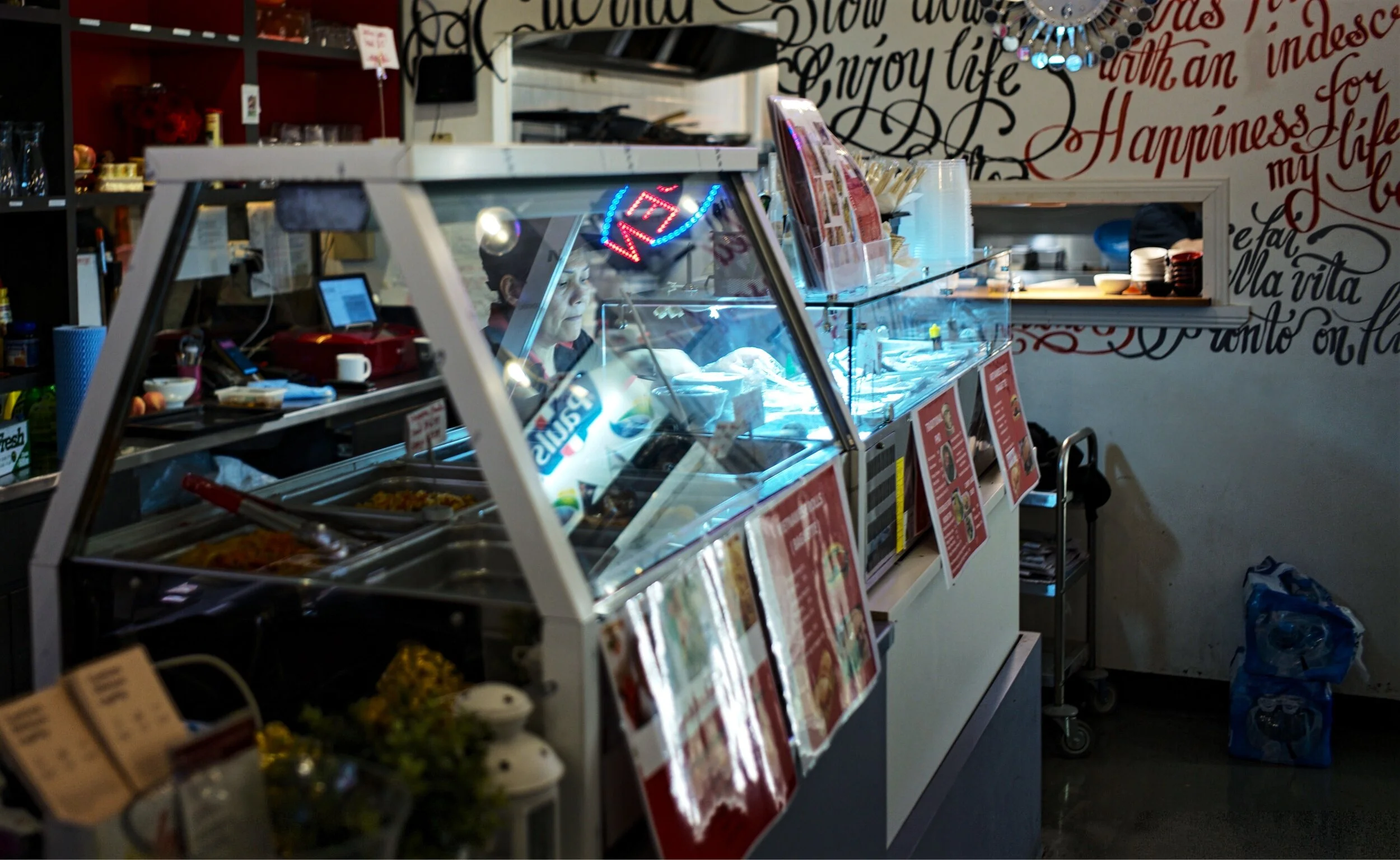

The design of the camera has not changed much since its debut at Photokina 1954. So much so, that almost all of the lenses built for this camera from 1954 (With the exception of a few from the 1960’s) too today will fit perfectly on the modern M cameras, including the modern digital models. If it ain’t broke why fix it?
The manual rangefinder is a touch difficult to master, especially if you’re like me and your vision is not pin sharp. Also, the manual focussing can be frustrating at times as well. You need to master that if you want to take clear photos. Yet, when you nail the focusing through the rangefinder and see the unblemished image, pride is in ample supply.
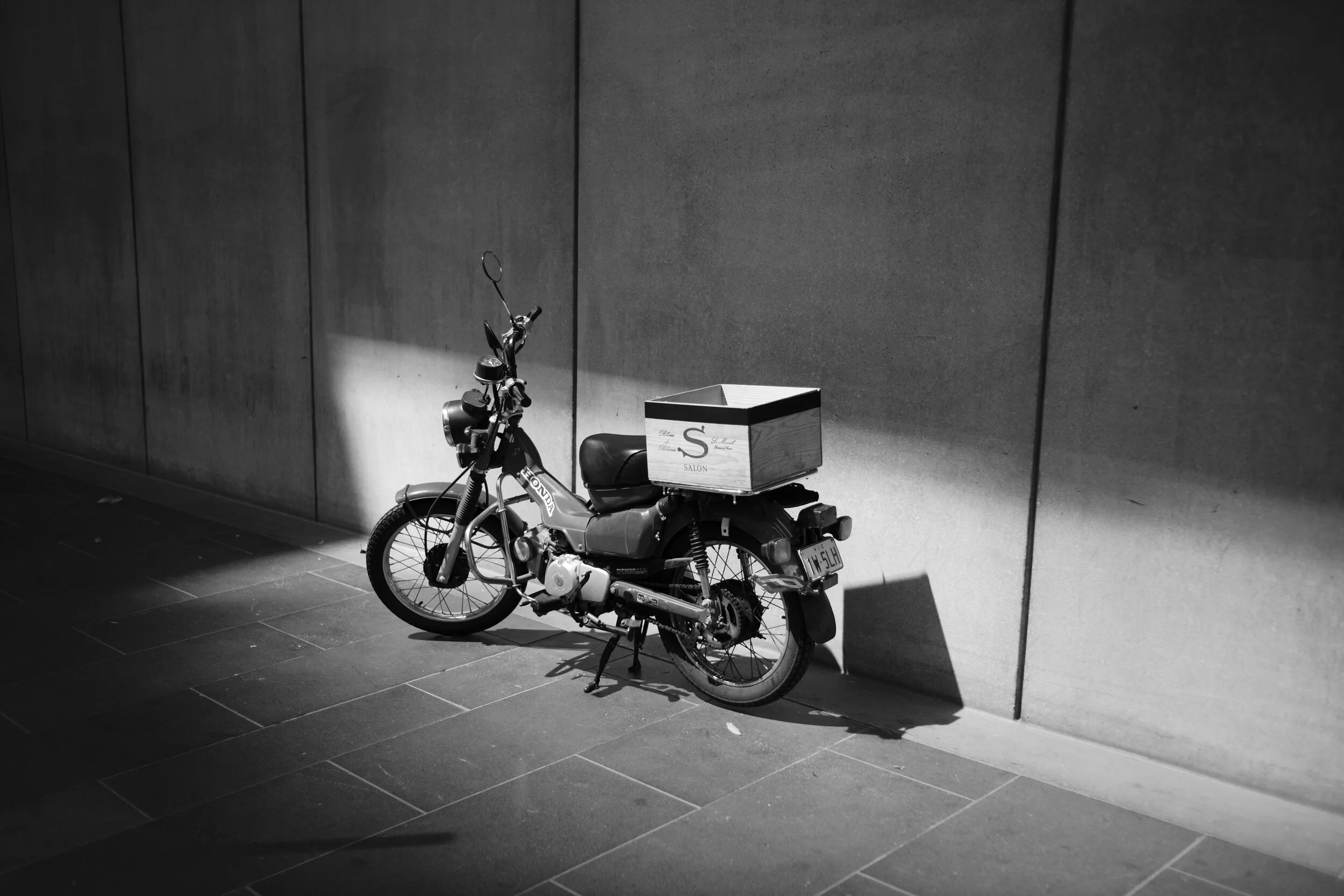
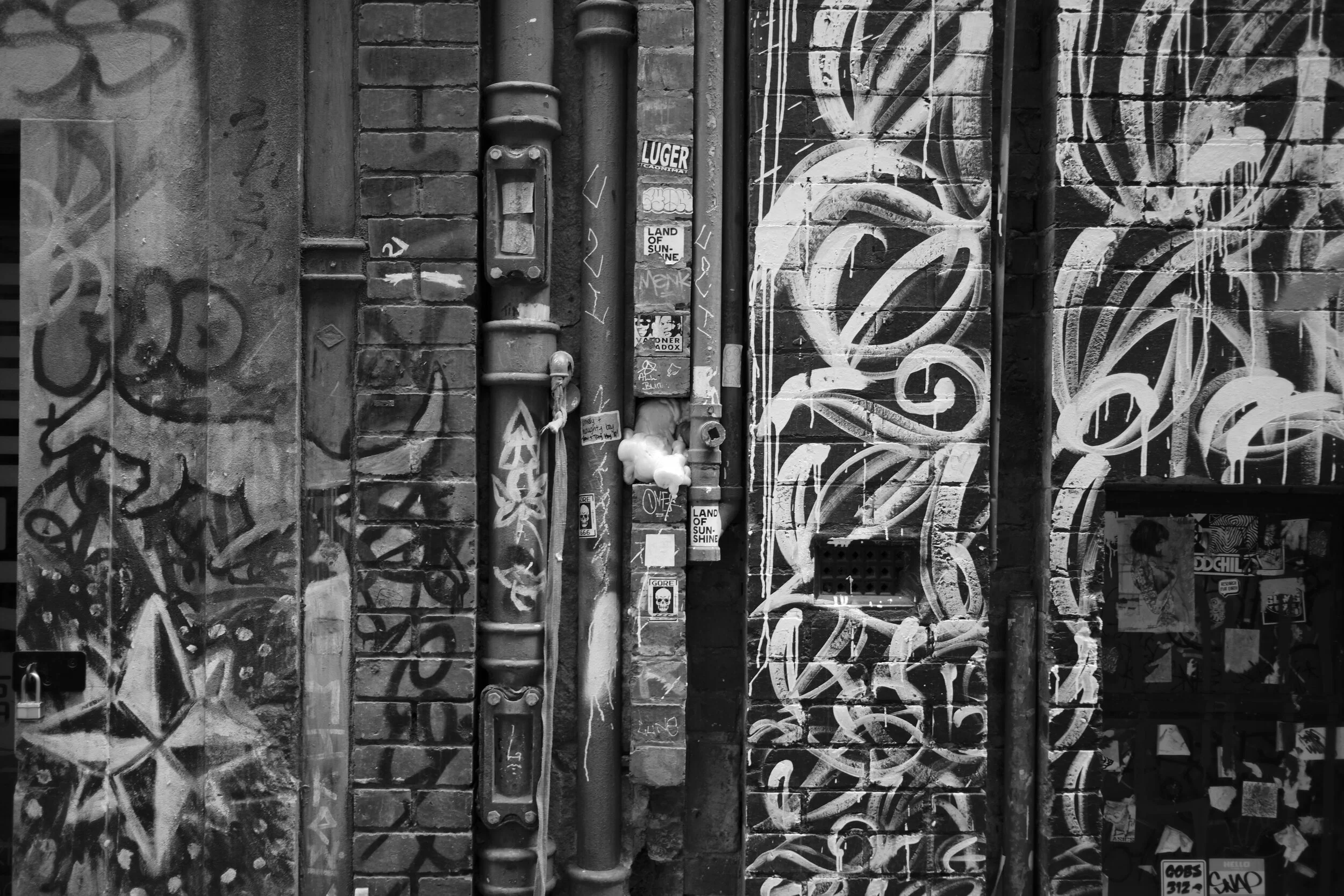
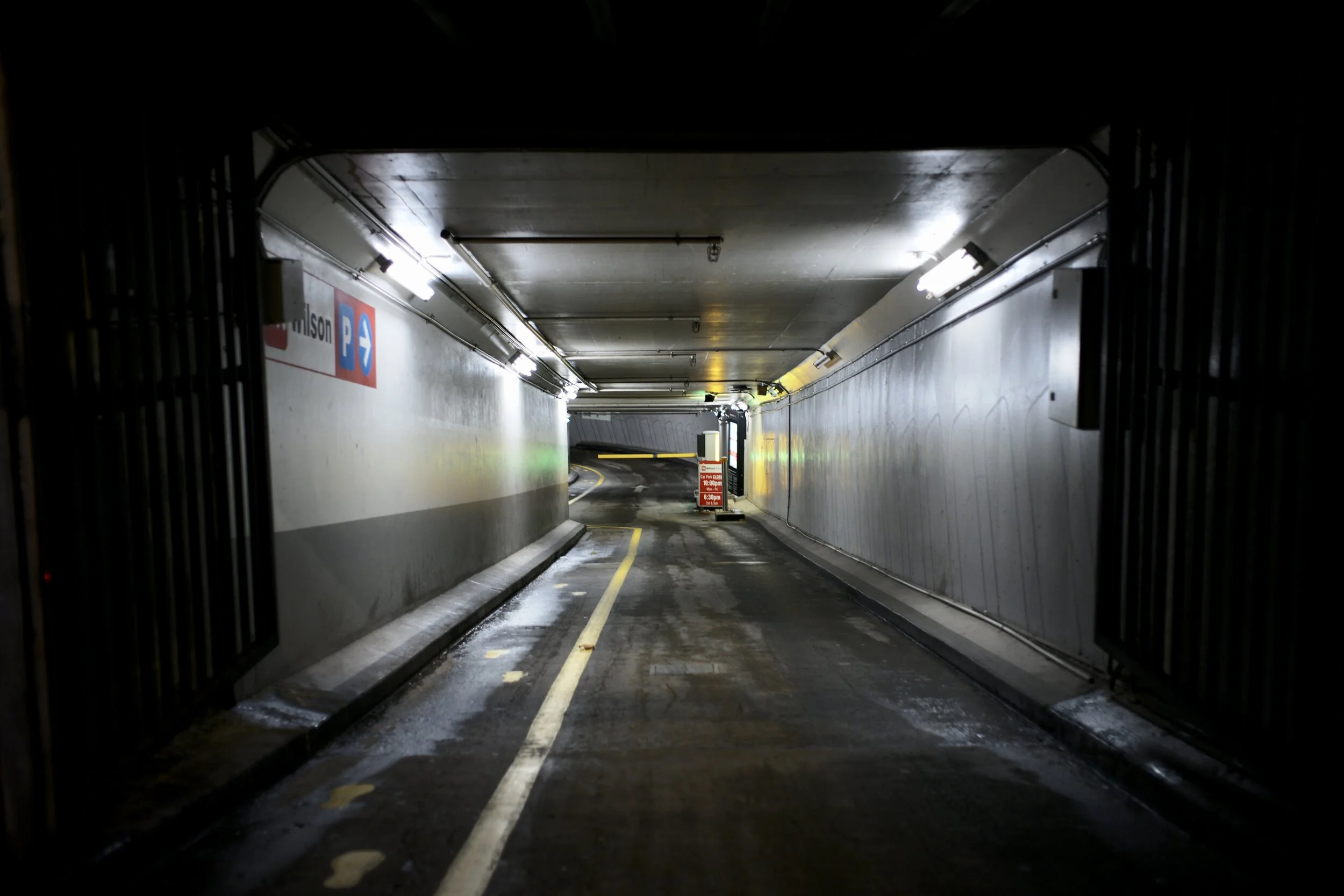
The mechanical shutter on this camera is startlingly silent. As quiet as mouse sneezing in a church, it offers the opportunity to capture intimate moments while remaining seemingly invisible. All it takes to understand the quality of the M10-P is holding the camera. You feel the artisanal design. The superb design and weight of this camera belies the underlining strength and composition of something that could most likely stop a bullet. Discreet and elegant it is not flashy, nor does it demand attention. Yet attention, admiration and praise is what it receives.




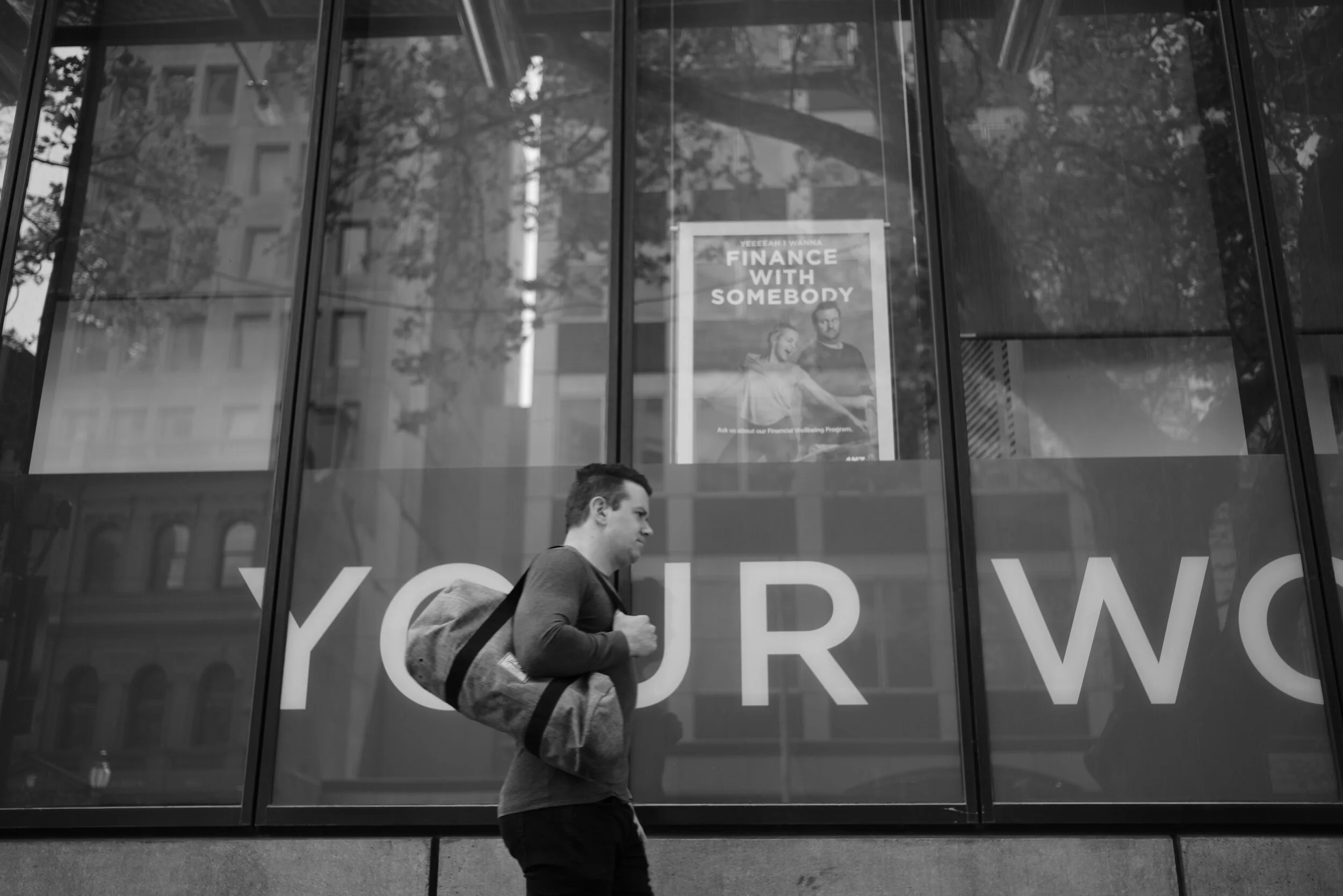
I feel that this camera makes you appreciate what we have now. The fact that we have EVF’s and Auto-Focus really make taking pictures much simpler, but does that make it more enjoyable? It is hard to say and open for subjective interpretation. What I do know is that when you have made something that reinvigorates a passion for photography amongst a wide array of individuals and groups, you have made something that will stand the test of the time. Leica and its continuous support for the M camera system has, alongside Oxford Dictionary, defined what iconic truly means.
Leica Q2
The term workhorse springs to mind when I begin this review of the Leica Q2. A full frame, 47.3-megapixel camera. Affixed with a 28mm 1.7 Summilux lens permanently attached to a sleek, elegant and subtle camera body that is weather sealed with an IP52 rating. For those who do not know what IP stands for it means Ingress Protection and it refers to the levels of sealing effectiveness of electrical enclosures against intrusion from foreign bodies (tools, dirt etc) and moisture. You can use this camera in rather tumultuous weather conditions i.e. pouring rain, and it will work perfectly. It can capture fleeting moments with a lightning quick autofocus of 0.15 seconds and allows you the chance to capture up to 10 frames per second at full resolution.
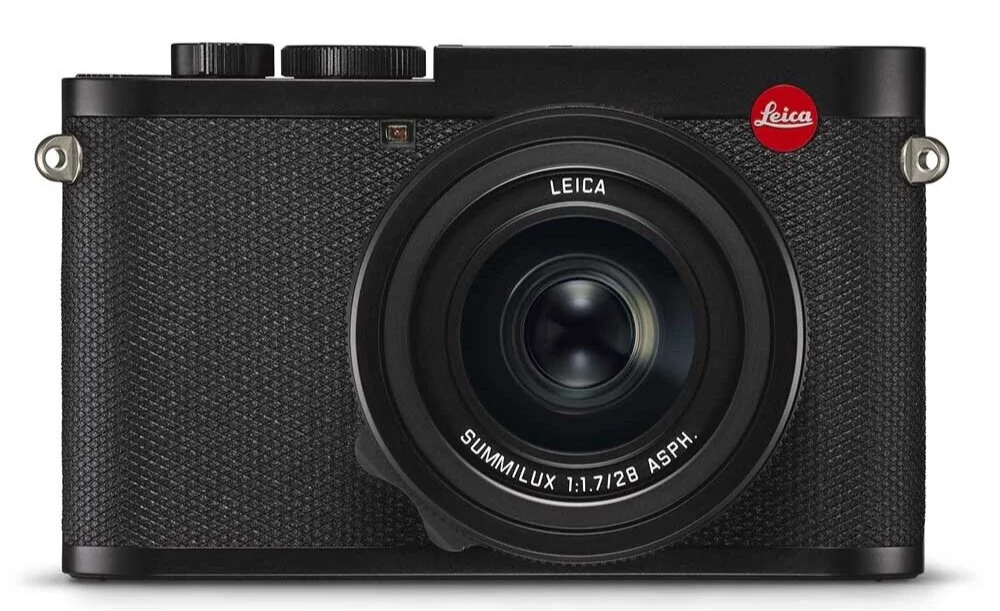
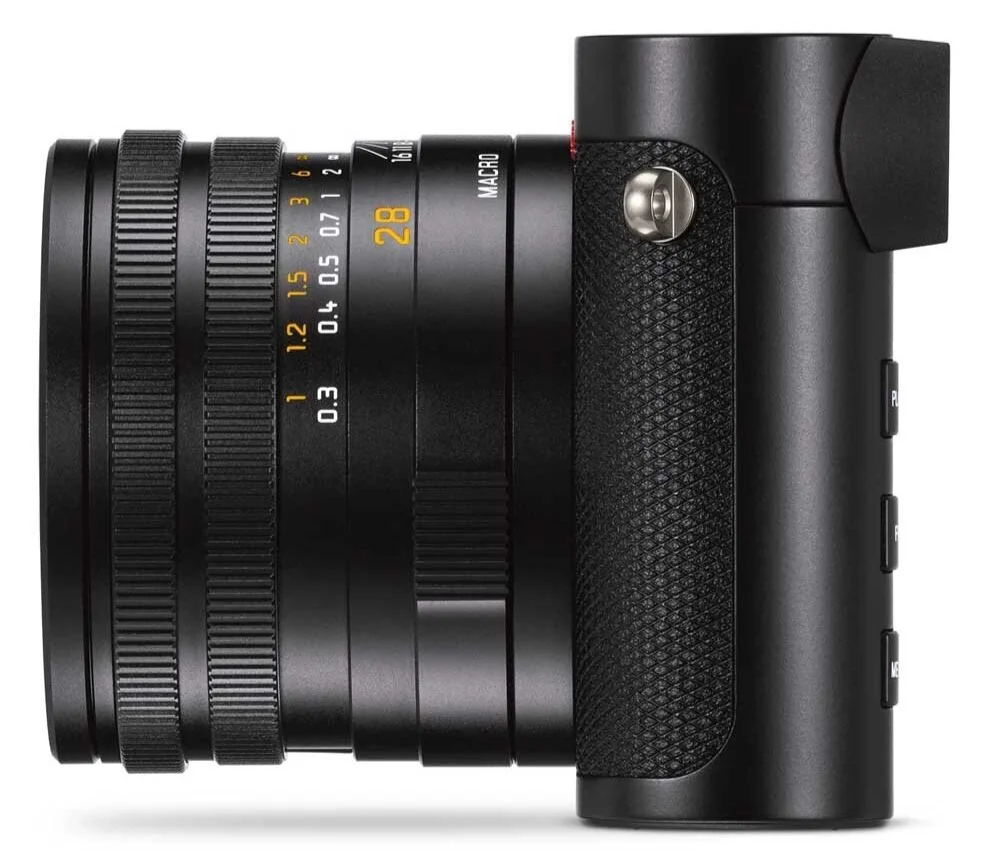
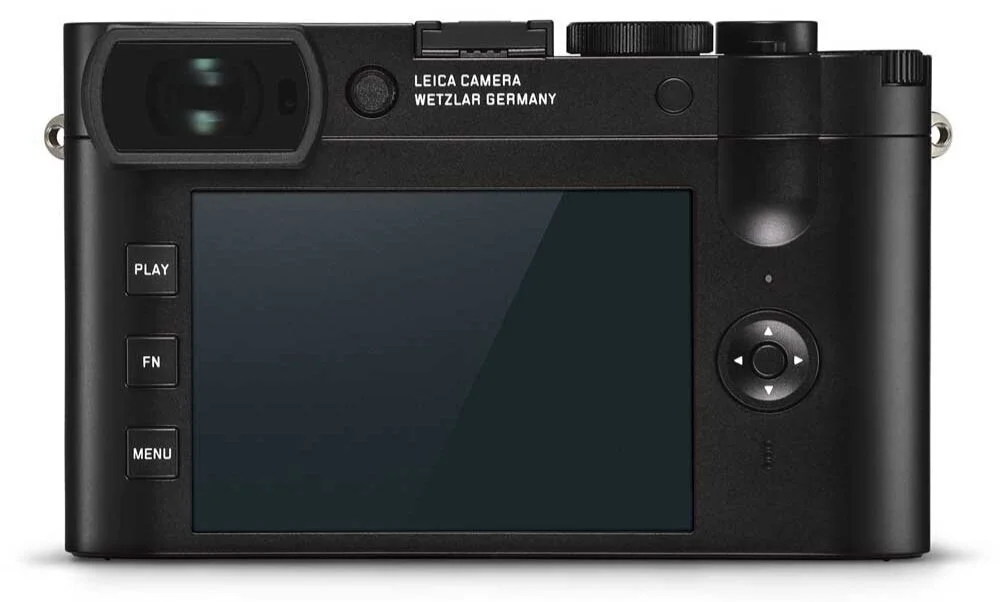
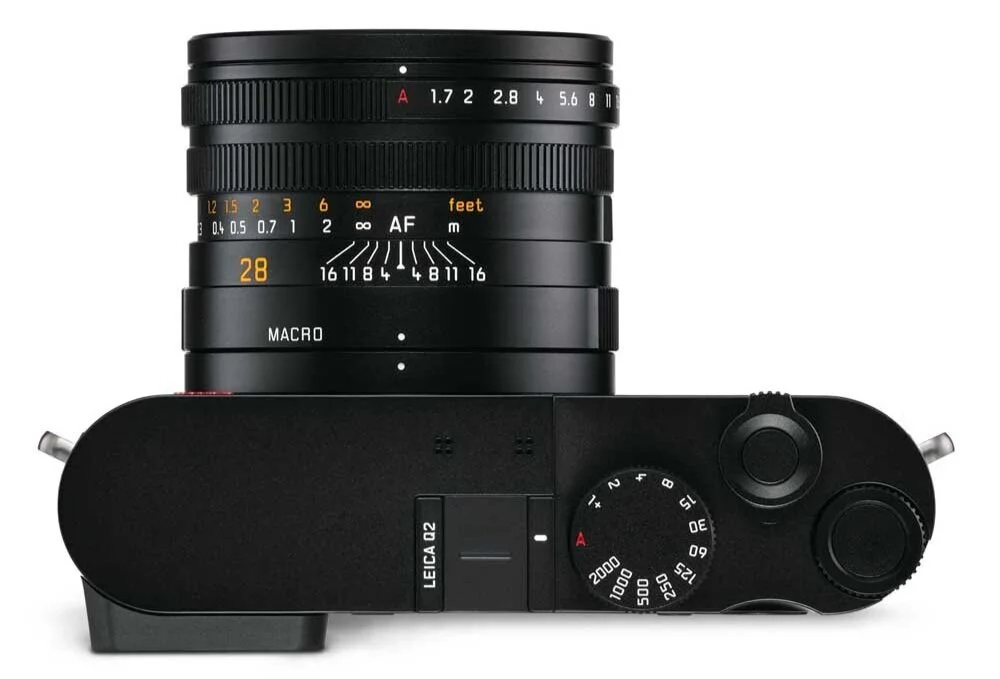
Now, what are my thoughts? Well, it’s a fantastically versatile camera that can be as simple as you want it to be or as complex as you want it to be. I love the robust build of the camera. You can just feel the quality of this Wetzler produced camera. The opportunity to easily alter the f-stop and focussing to manual, with the assistance of focus peaking, is something I truly enjoyed. It made me a more conscious and involved photographer then I have been in the past.
I found myself shooting in the Monochrom (FYI Since Leica is a German company, This is the German way of spelling Monochrome) setting more than ever. Perhaps it was in preparation for the upcoming M10 Monochrom review or simply because I had never really ventured into that side of photography before. Let me tell you, it was very difficult to go back to colour. In my opinion the detail that this sensor produces when the subjects are in black and white is second to none. The crisp, defining contrast is hard to look past and the ability to truly capture the detail of your subjects’ emotions is just too tempting to pass on.



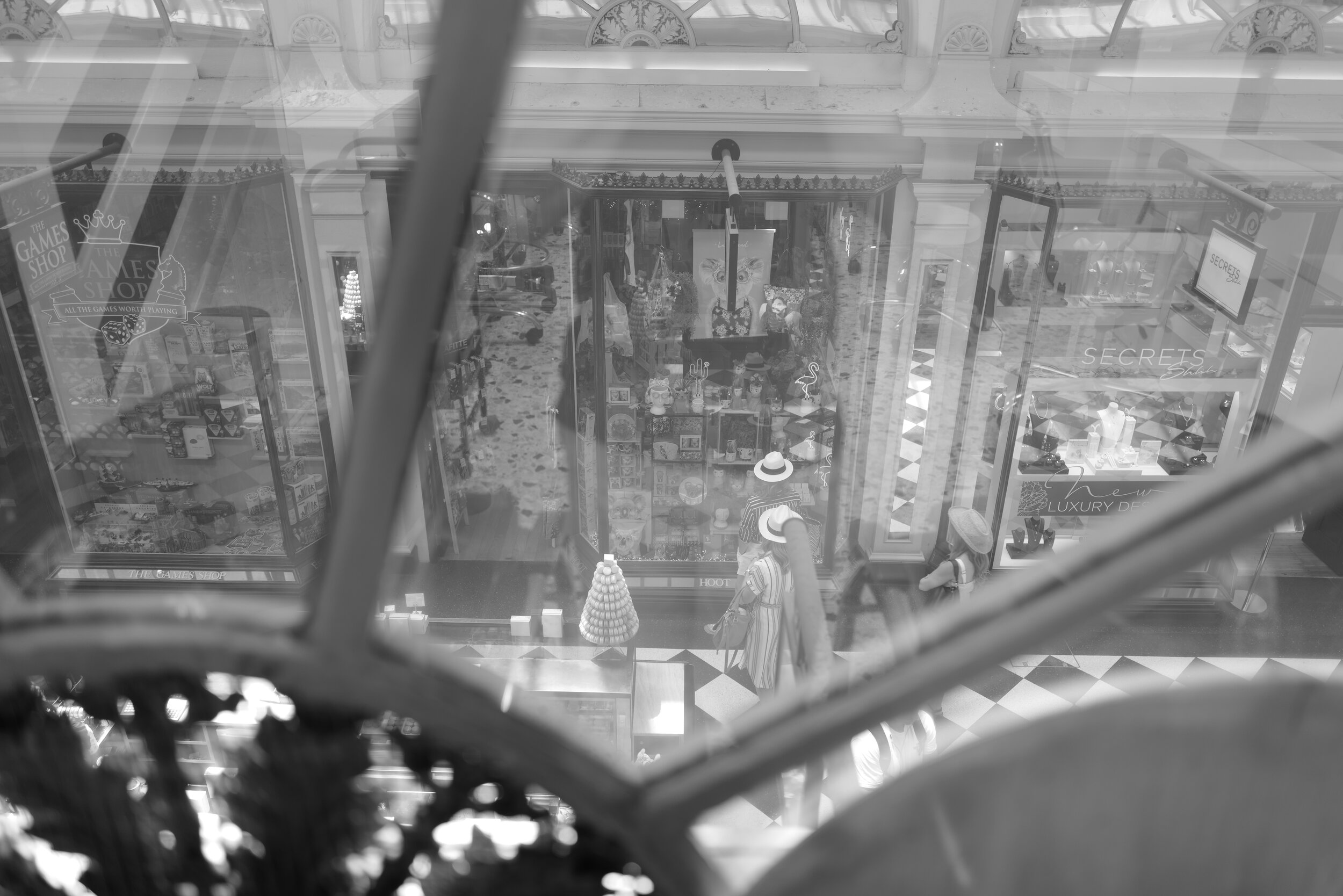

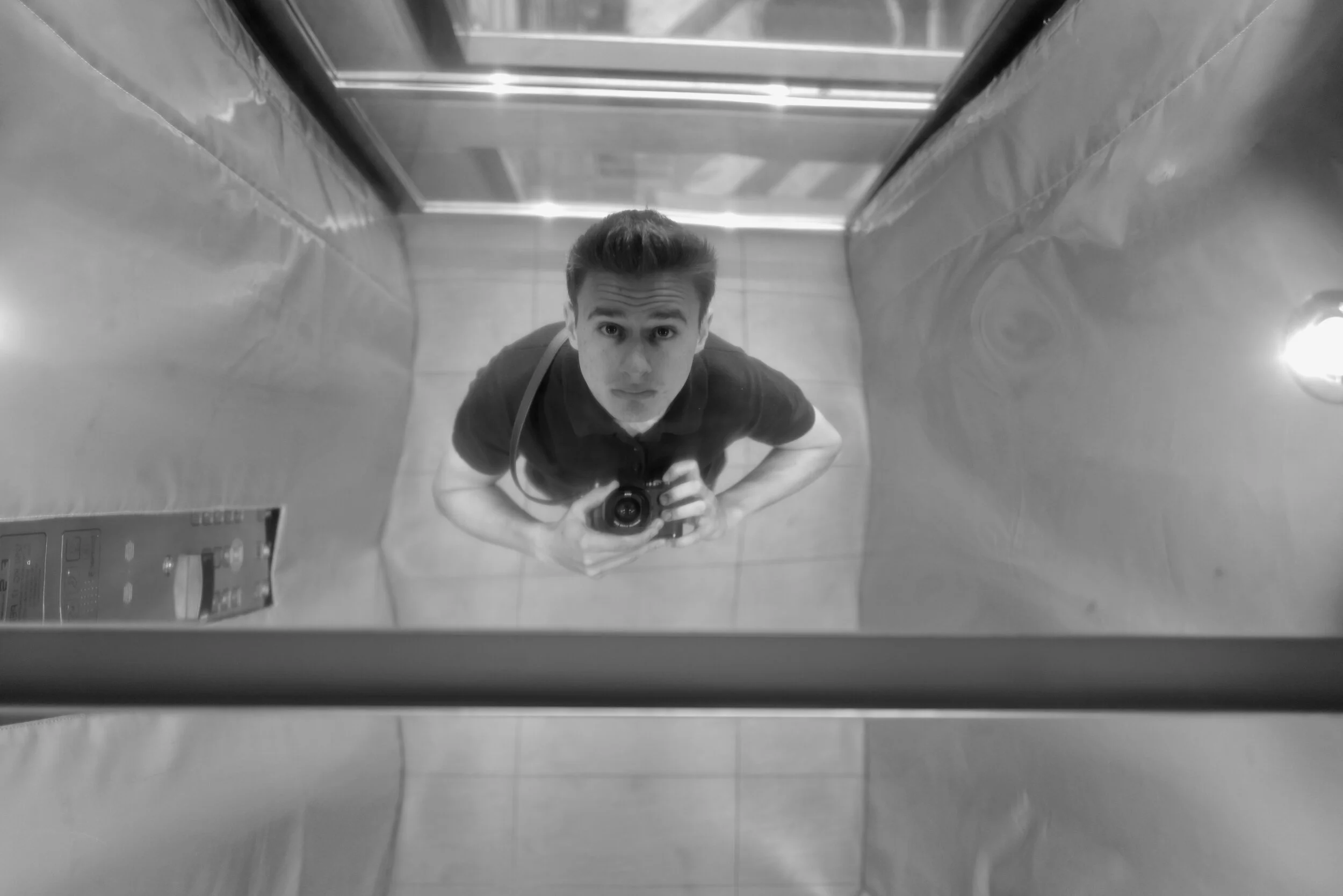
The camera comes alive with the macro function as well. Simply switch the ring on the camera’s lens and you open up yourself to the world of macro-photography. As showcased in some of the photos below you enter into a viewing sphere that most individuals will never have the opportunity to see clearly. Sometimes you need to see the smaller things in life to give you a proper perspective of the big picture.






With its 4K video mode of up to 30 frames per second on offer, videographers certainly are not left out of the equation. I cannot give my opinion of the video quality though as I shot absolutely no video.
I was not a big fan of the autofocus. Ironically enough I felt the larger sensor lost some crucial detail of the image when the camera took control of the focus. It turned relatively simple shots into compositions that were a touch too busy. Thus, in my opinion, losing some of the charm that the photo could potentially have had.
An Interesting Wander Home
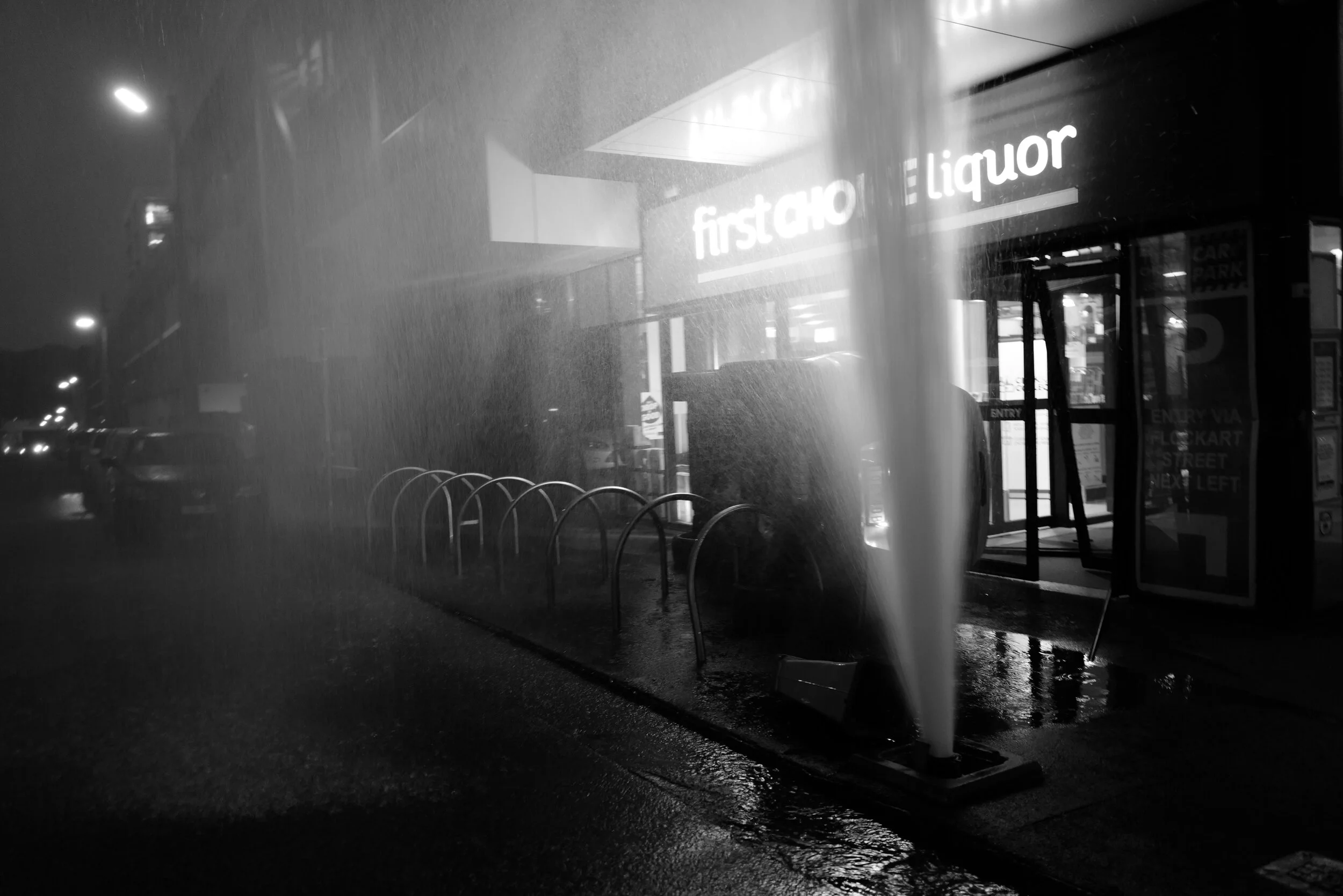
It was a nice night, I was in a jovial mood and thought “why don’t I walk home, it will only be 20 mins”. The stroll was relatively uneventful barring the final 500 metres of the journey to my apartment. A 4-wheeled drive Hyundai sped pass me, then hit the breaks in an attempt to make a turn down a particular street. He did not make the turn. Clipping the curb, he went sliding into the shopfront taking out a fire hydrant along the way. I ran to the car and witnessed the driver hop out of the vehicle seemingly unscathed. While the fire hydrant was spouting uncontrollably, I asked him “Are you ok, is anyone hurt?” to which he responded, “It’s all good, It’s all good?”. Then, he grabbed a little black bag from the car and ran down the street and away from the scene. I got the shot above just after he fled yet before I jumped into the car to turn off the engine. All of this in the span of 5 minutes. Good thing I had a weather sealed camera to take the shot.


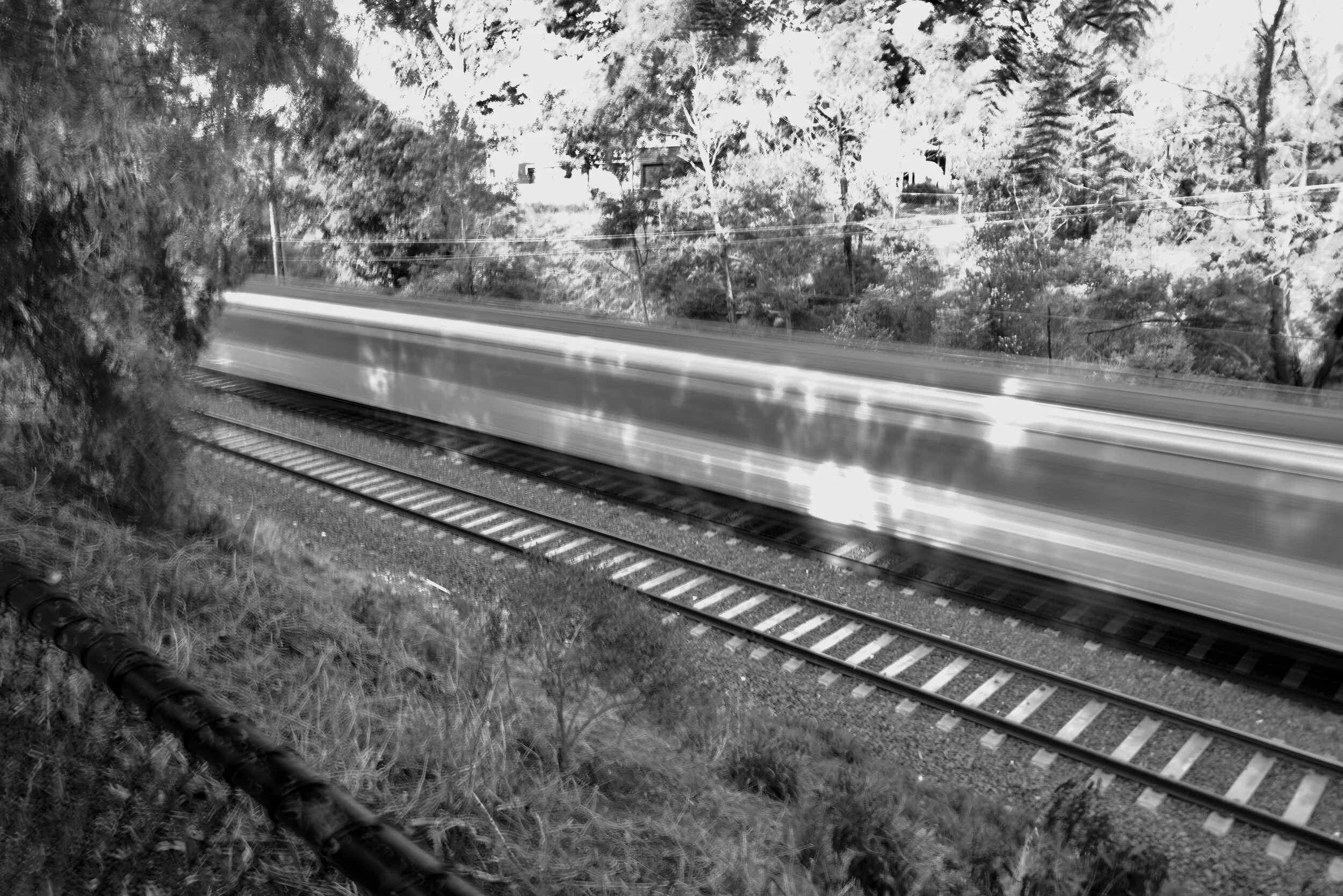

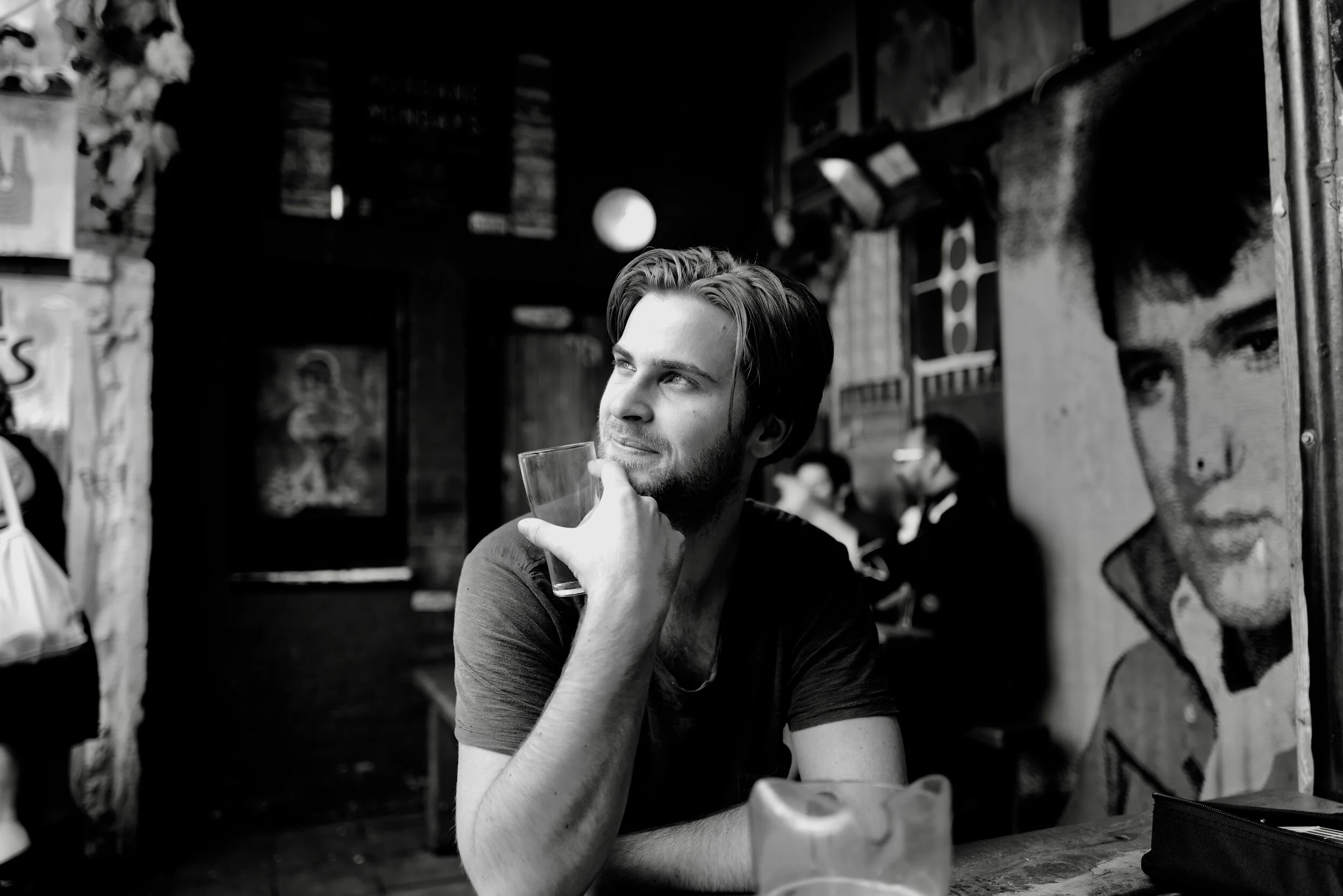
Ultimately, this camera is one that gives you respect. It makes you feel like an amazing photographer and in my opinion actually gives you a whole-hearted invigorated desire to go out and take photos. The tough exterior affords you the peace of mind that many camera operators are unable to have. Finally, I experienced this on multiple occasions. I would talk about the camera to interested individuals and offer them the chance to take photos with it. Every single one of them was able to take a photo that left them with a sense of awe and, most importantly, a feeling of achievement.